76 Results for "

Catunaregam spinosa (Thunb.) Tirveng.

" in MedChemExpress (MCE) Product Catalog:
Products (76)

76 Results for "Catunaregam spinosa (Thunb.) Tirveng." in MCE Product Catalog:

32
32 Publications Verification
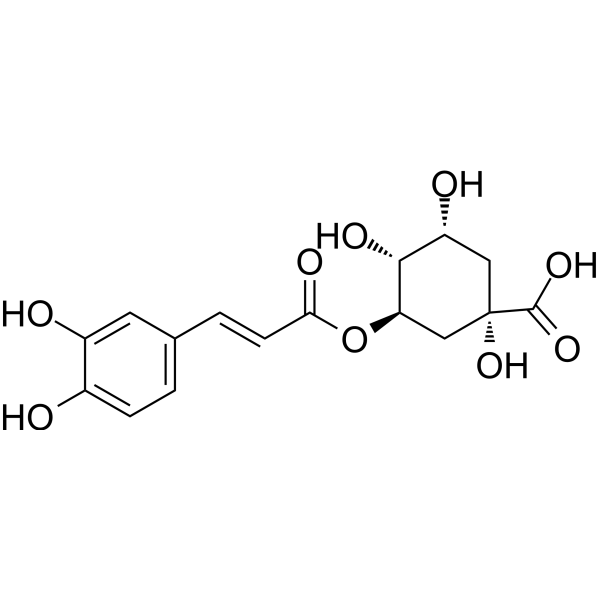
Cat. No.: HY-N0055
CAS No.: 327-97-9
Synonyms: 3-O-Caffeoylquinic acid; Heriguard; NSC-407296
Chlorogenic acid is a major phenolic compound in Lonicera japonica Thunb. It is an orally active antioxidant activity, antibacterial, hepatoprotective, cardioprotective, anti-inflammatory, antipyretic, neuroprotective, anti-obesity, antiviral, anti-microbial, anti-hypertension compound .
8
8 Cited Publications
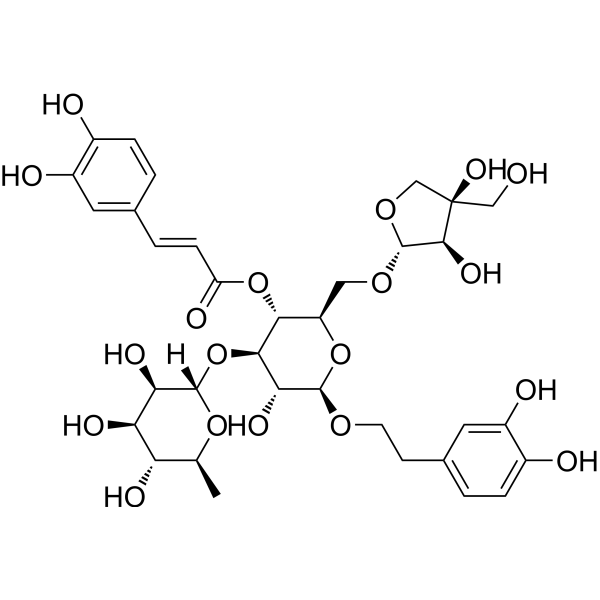
Cat. No.: HY-N0029
CAS No.: 81525-13-5
Forsythoside B is a phenylethanoid glycoside isolated from Forsythia suspensa (Thunb.) Vahl, a Chinese folk medicinal plant for treating inflammatory diseases and promoting blood circulation. Forsythoside B could inhibit TNF-alpha, IL-6, IκB and modulate NF-κB.
7
7 Cited Publications
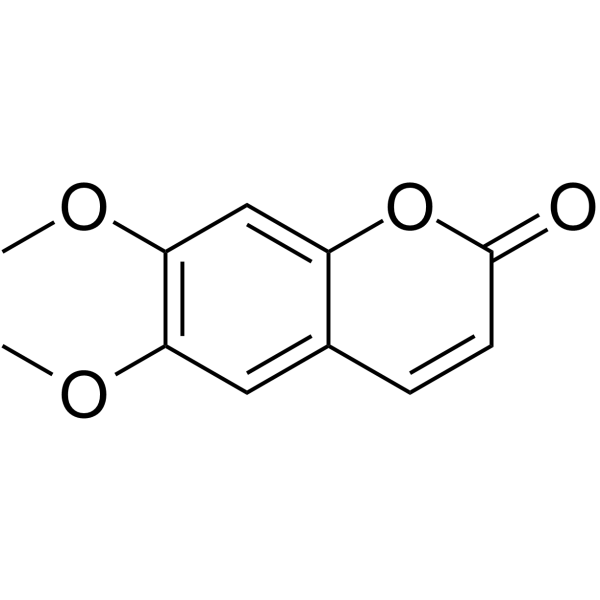
Cat. No.: HY-N0228
CAS No.: 120-08-1
Scoparone is isolated from Artemisia capillaris Thunb., has anticoagulant, vasorelaxant antioxidant, anti-inflammatory activities .
4
4 Cited Publications
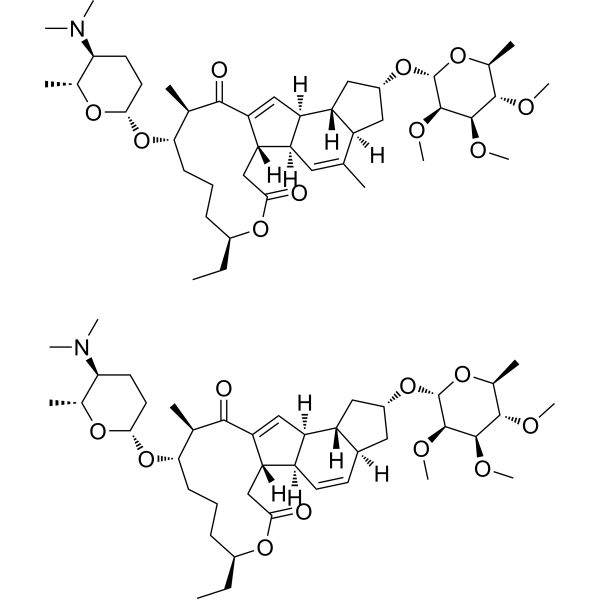
Cat. No.: HY-138800
CAS No.: 168316-95-8
Purity:  96.19%
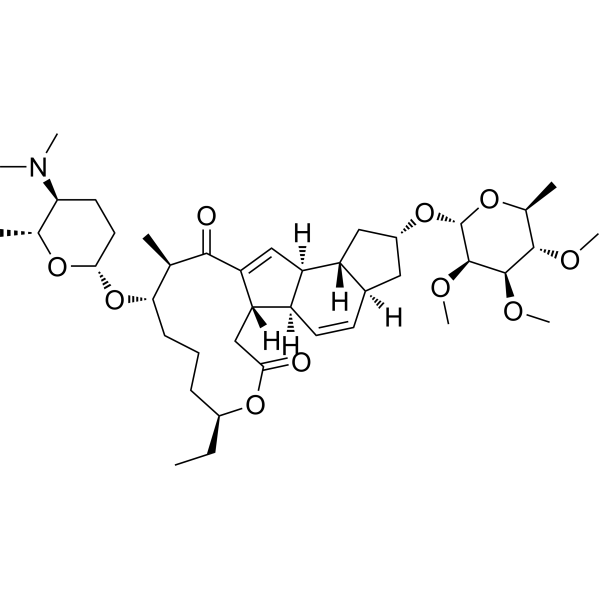
Spinosad, a mixture of spinosyns A and D known as fermentation products of a soil actinomycete (Saccharopolyspora spinosa), is a biological neurotoxic insecticide with a broader action spectrum. Spinosad targets the nicotinic acetylcholine receptor (nAChRs) of the insect nervous system. Spinosad has an excellent environmental and mammalian toxicological profile. Larvicidal activity .
3
3 Cited Publications
Cat. No.: HY-N0211
CAS No.: 17086-76-9
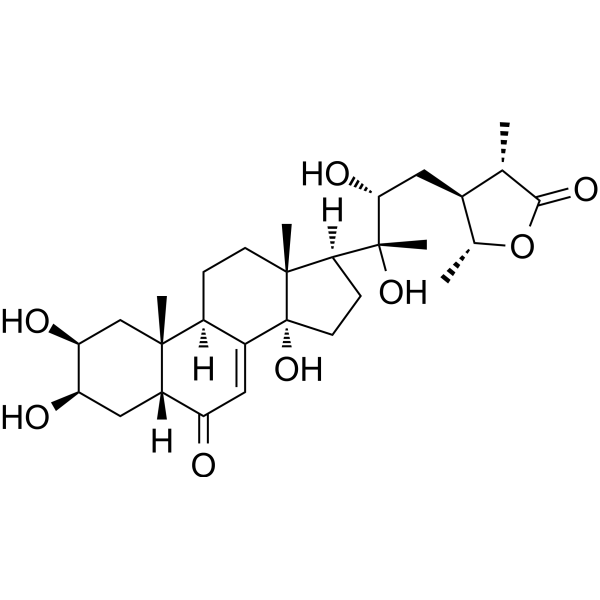
Cyasterone, a natural EGFR inhibitor, mainly isolated from Ajuga decumbens Thunb (Labiatae). Cyasterone manifests anti-proliferation effect by induced apoptosis and cell cycle arrests. Cyasterone may serves as a therapeutic anti-tumor agent against human tumors .
1
1 Cited Publications
Cat. No.: HY-N8259
CAS No.: 83864-78-2
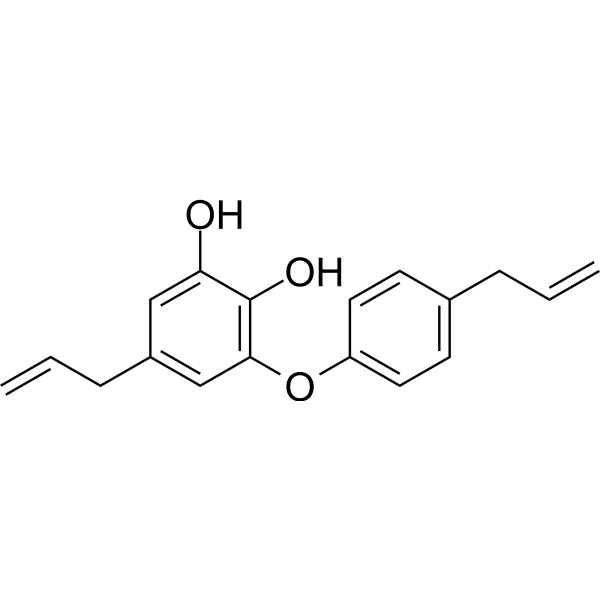
Obovatol is a biphenyl ether lignan isolated from the leaves of Magnolia obovata Thunb .
Cat. No.: HY-N5042
CAS No.: 1177581-50-8
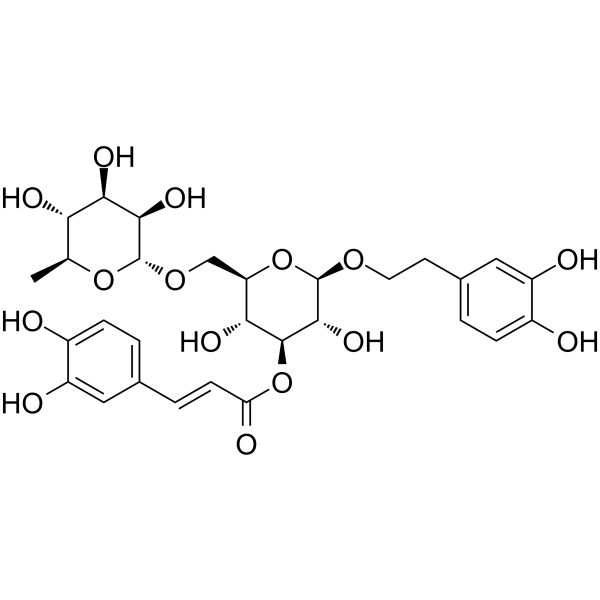
Forsythoside I is an orally active caffeoyl phenylethanoid glycoside (CPG) that can be isolated from Forsythia suspense (Thunb.) Vahl. Forsythoside I has anti-inflammatory activity and can exert a protective effect in a mouse model of acute lung injury .
Cat. No.: HY-N0398
CAS No.: 80681-44-3
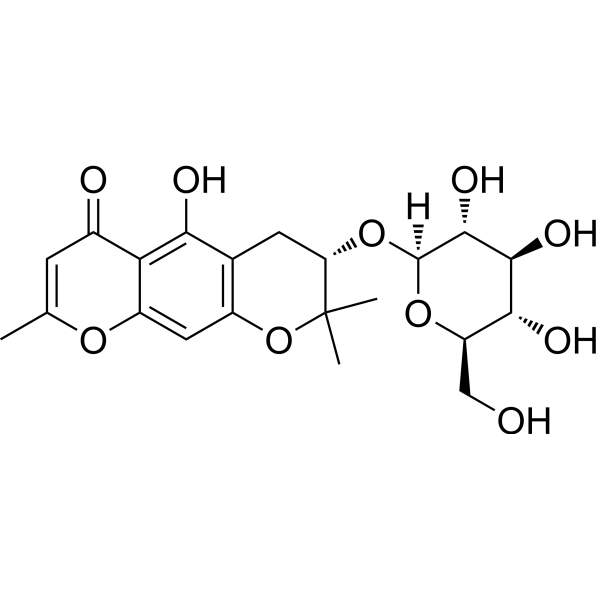
Sec-O-Glucosylhamaudol is a natural compound extracted from Peucedanum japonicum Thunb, decreases levels of μ-opioid receptor, with analgesic effect .
Cat. No.: HY-B0767
CAS No.: 131929-60-7
Spinosyn A, a polyketide-derived macrolide produced by Saccharopolyspora spinosa, is a potent insecticide .
Cat. No.: HY-N2887
CAS No.: 1354638-93-9
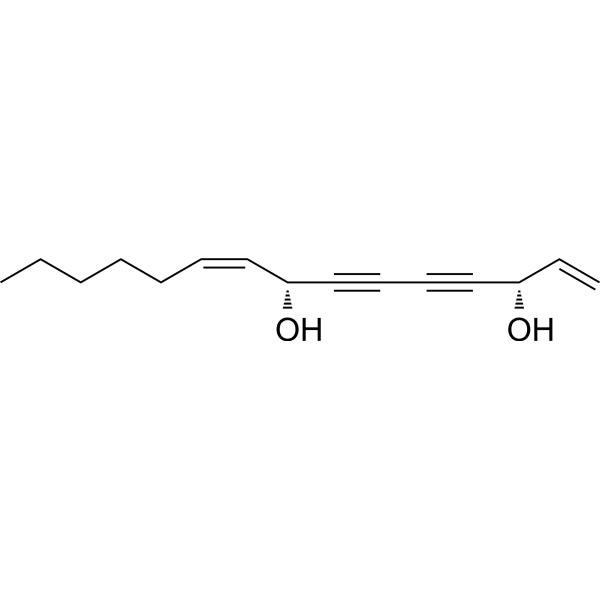
Araliadiol is a polyacetylenic compound isolated from the leaves of Aralia cordata Thunb. Araliadiol inhibits MCF-7 cells growth with an IC50 value of 6.41 μg/mL .
Cat. No.: HY-N4168
CAS No.: 123483-19-2
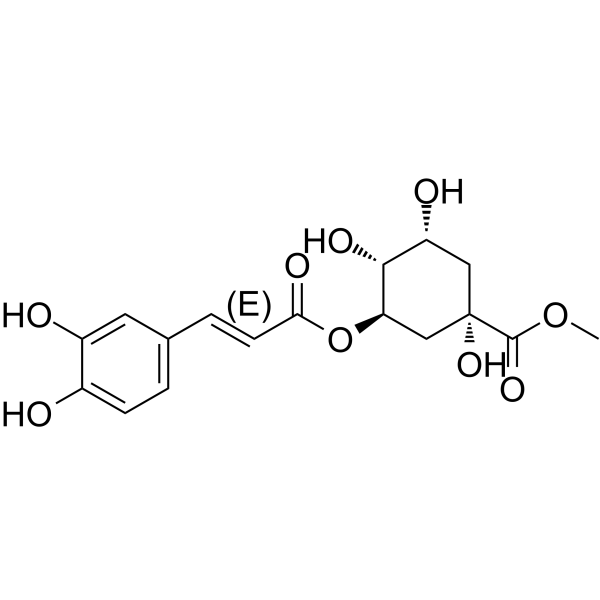
3-O-Caffeoylquinic acid methyl ester is a monocaffeoylquinic acid derivative and phenolic acid component, which can be found in the whole plant of Pyrrosia calvata (Backer) Ching and the flower buds of Lonicera japonica Thunb .
Cat. No.: HY-N1933
CAS No.: 485-91-6
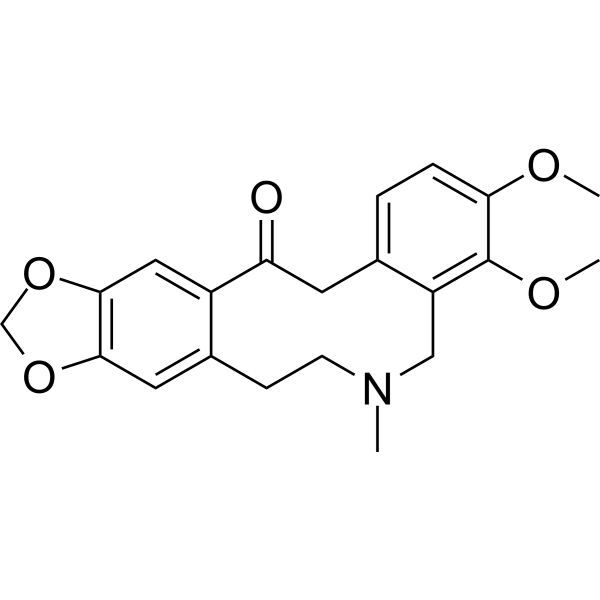
Allocryptopine, a derivative of tetrahydropalmatine, is extracted from Macleaya cordata (Thunb.) Pers. Papaveraceae. Allocryptopine has antiarrhythmic effects and potently blocks human ether-a-go-go related gene (hERG) current .
Cat. No.: HY-N0055R
CAS No.: 327-97-9
Synonyms: 3-O-Caffeoylquinic acid (Standard); Heriguard (Standard); NSC-407296 (Standard)
Chlorogenic acid (Standard) is the analytical standard of Chlorogenic acid. This product is intended for research and analytical applications. Chlorogenic acid is a major phenolic compound in Lonicera japonica Thunb. It is an orally active antioxidant activity, antibacterial, hepatoprotective, cardioprotective, anti-inflammatory, antipyretic, neuroprotective, anti-obesity, antiviral, anti-microbial, anti-hypertension compound .
Cat. No.: HY-W091541
CAS No.: 81779-27-3
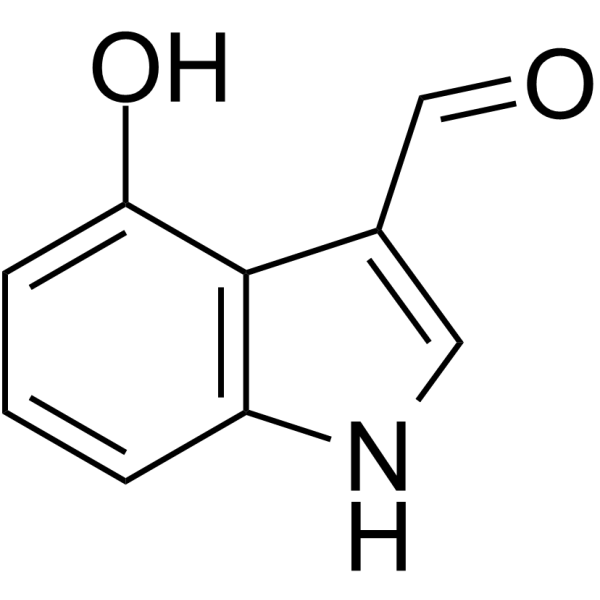
Synonyms: 4-Hydroxyindole-3-carboxaldehyde
4-Hydroxy-1H-indole-3-carbaldehyde (4-Hydroxyindole-3-carboxaldehyde) is a plant metabolite. 4-Hydroxy-1H-indole-3-carbaldehyde can be isolated from Capparis spinosa L. 4-Hydroxy-1H-indole-3-carbaldehyde can be used in the synthesis of fluorescent probe. 4-Hydroxy-1H-indole-3-carbaldehyde can be used in the study of inflammation-related diseases .
Cat. No.: HY-N5043
CAS No.: 1178974-85-0
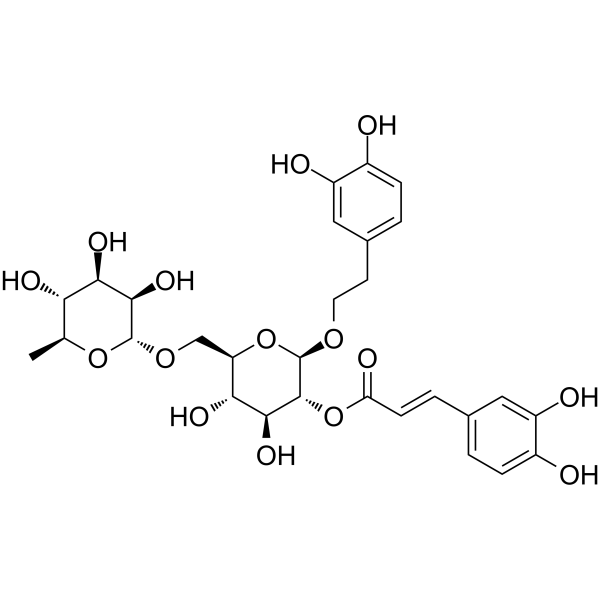
Forsythoside H, a caffeoyl phenylethanoid glycoside (CPG) isolated from the fruits of Forsythia suspense (Thunb.) Vahl, may possesses anti-inflammatory activities .
Cat. No.: HY-N7252
CAS No.: 486-55-5
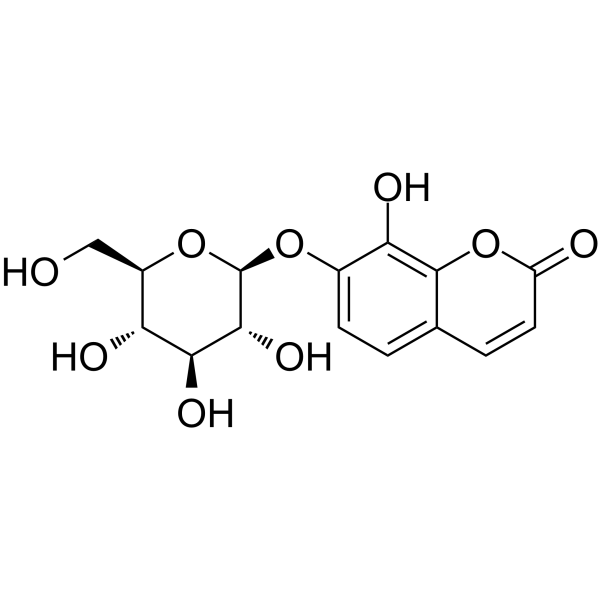
Daphnin is one of the major coumarin bioactive components with antibacterial activity. Daphnin is isolated from the whole herb of Daphne odora (Thunb.), which is a folk medicine in China for the relief of fever .
Cat. No.: HY-N16551
CAS No.: 521-44-8
Flindulatin is a flavone that can be isolated from C. spinosa .
Cat. No.: HY-D0015
CAS No.: 1733-12-6
Cresol red, 97% is an acidic phenolsulfonphthalein triphenylmethane dye. Cresol red, 97% generates reactive oxygen species and singlet oxygen under ultrasonic irradiation, interacts with bovine serum albumin, alters the structure of bovine serum albumin, and oxidizes the fluorescent amino acid residues of bovine serum albumin. Cresol red, 97% can be decolorized and biodegraded by *Absidia spinosa* M15, producing phenylacetic acid and benzoic acid metabolites. Cresol red, 97% serves as a pH indicator (orange at pH 1.8-yellow at pH 2.0, yellow at pH 7.0-purple at pH 8.8). Cresol red, 97% can be used to indicate pH, temperature and salinity .
Cat. No.: HY-136504
CAS No.: 434-85-5
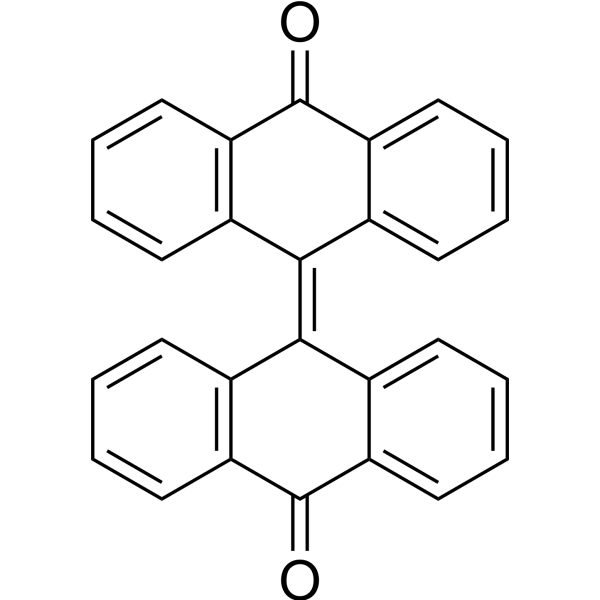
Synonyms: Dianthrone
Target:  

Others

Research Areas:  

Others

Bianthrone (Dianthrone) is a natural product that can be isolated from Rheum officinale Baill. Bianthrone is a potential toxic marker of Polygonum multiflorum Thunb .
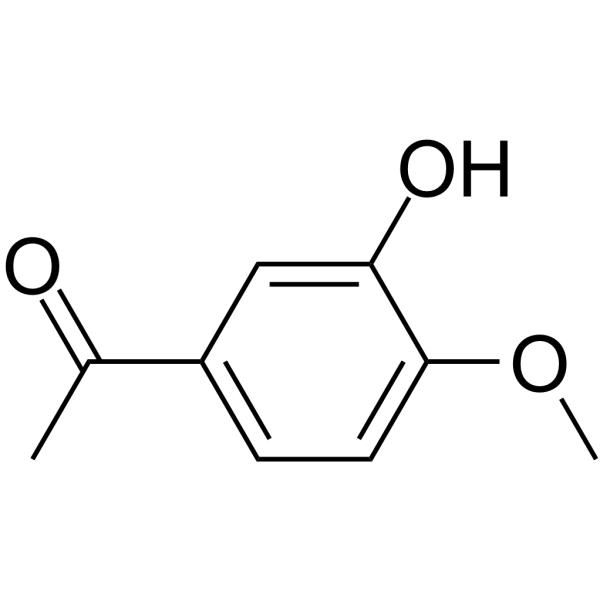
Cat. No.: HY-W002484
CAS No.: 6100-74-9
Synonyms: Acetoisovanillone; Isoacetovanillone
3-Hydroxy-4-methoxyacetophenone(Acetoisovanillone; Isoacetovanillone) is an active compound isolated from P. spinosa. Isoacetovanillone possesses anti-inflammatory activity and prevented injuries due to administration of acetic acid in the colon .

